This is a bit of a rehash of a LinkedIn post but this is an important piece of thinking for outline some detail on how we might approach the Living Entity thinking so well worth a repost.
Here is the Coastal Waterways and Wetlands Alliance submission on the Western (Victoria) Sustainable Water Strategy. And here is a lengthy quote worth reading that outlines the dimensios of a living entity:
“We emphatically support applying the concept of waterways as living entities and urge for stronger adoption of this concept throughout the Strategy. To our understanding, a living system has four dimensions of connectivity, all of which must be reflected in the Strategy. At present, only the first two dimensions appear to have been recognised in the Scoping paper. Those four dimensions are:
Longitudinal — a river managed whole, from the source headwaters to estuary and sea. This is the one most often stated and least often followed through. A river does not end at the last gauging station. The estuary is the terminal expression of every upstream decision the Strategy makes: every allocation, every passing flow rule, every cease-to-pump threshold, every farm dam.
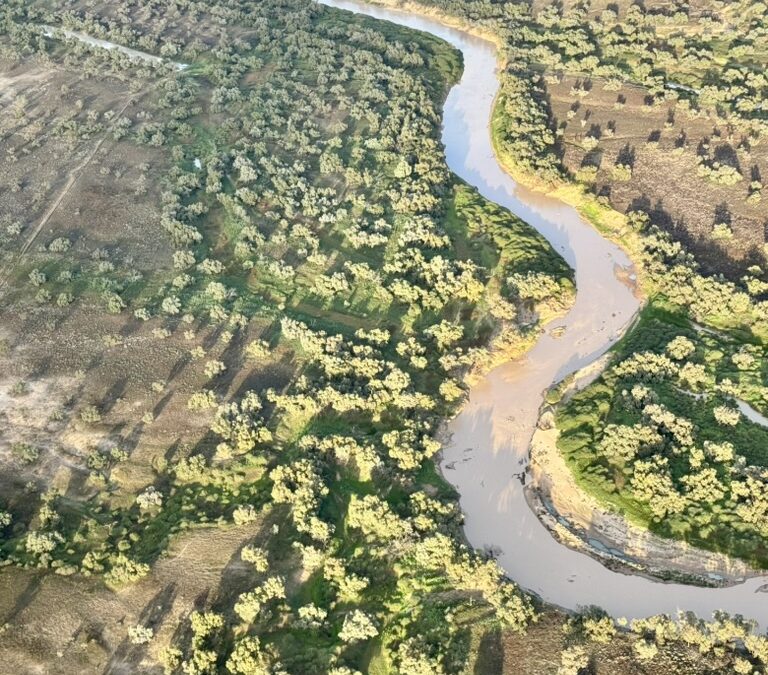
Lateral — the connection between a channel and its floodplain, wetlands and terminal lakes. In this region that connection is what determines whether Lake Albacutya and flood-dependent ecological processes are maintained.
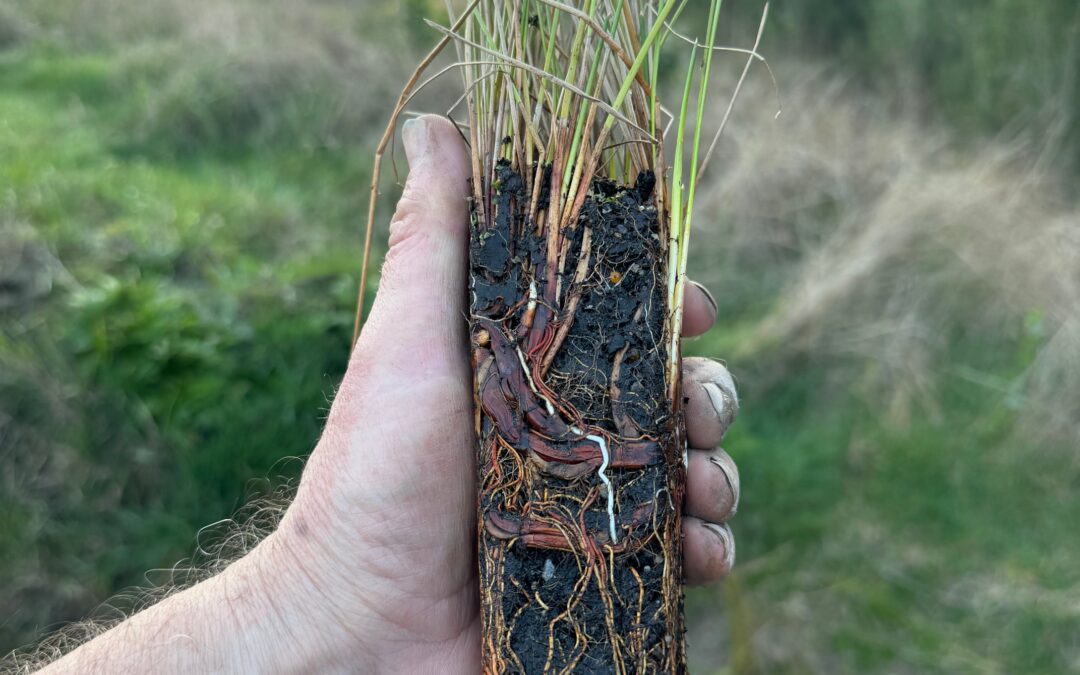
Vertical — the connections between vegetation, soil, surface water and groundwater, including the movement and storage of water through these layers. At finer scales, this includes interactions between the canopy and ground layer, soil moisture and shallow subsurface water, as well as exchanges between surface water and groundwater. In the coastal south-west, these connections are particularly important: coastal karst springs, wetlands and estuary baseflows can be expressions of groundwater systems that interact with the surface-water system governed by the Strategy. (See also Section 7 of this submission.)
Temporal — the requirement that hydrological events recur at intervals the ecology can tolerate and depend upon. Some obligations in this region are expressed not simply in megalitres per day but in the frequency and duration of events. Lake Albacutya’s ecological character, for example, depends on floods occurring often enough to sustain the processes for which the system is valued.”

0 Comments